Understanding Lift Stackers
As industries evolve and technological advancements take center stage, the role of lift stacker equipment becomes increasingly pivotal in modern warehouses. These versatile machines are designed to enhance operational efficiency, safety, and productivity in various material handling tasks. This article delves into the essentials of lift stackers, exploring their definition, key features, and the significant role they play in improving warehouse operations.
What is a Lift Stacker?
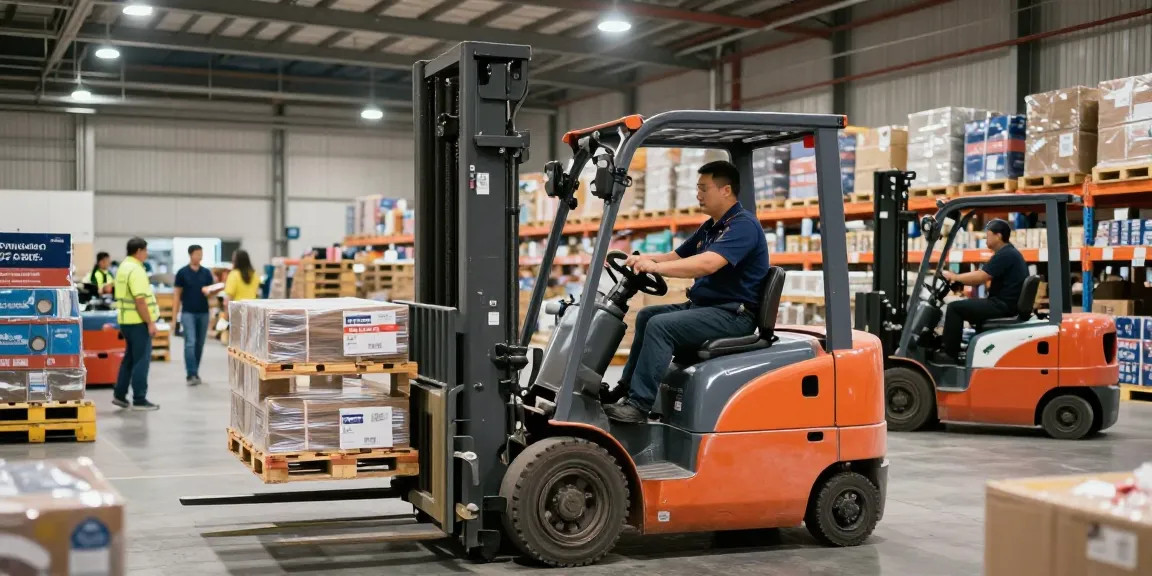
A lift stacker, commonly used in warehouses and manufacturing facilities, is a type of material handling equipment that transports and lifts pallets or goods vertically. Unlike traditional forklifts, which are designed primarily for lifting heavier loads over longer distances, lift stackers excel in maneuverability and compact design, making them ideal for tight spaces and smaller loads. They can be manual or electric, with electric models gaining popularity due to their efficiency and eco-friendliness.
Key Features and Benefits of Lift Stackers
Lift stackers come equipped with various features to enhance their functionality and user experience. Here are some key benefits:
- Compact Design: Ideal for narrow aisles and tight spaces, lift stackers maximize storage efficiency.
- Easy Operation: Many models feature user-friendly controls, enabling operators to manage loads with minimal training.
- Enhanced Safety: Lift stackers often include safety features like automatic brakes and stability systems to prevent accidents.
- Electric Options: Many have electric variants that offer lower emissions and quieter operation, promoting a healthier work environment.
How Lift Stackers Improve Warehouse Efficiency
Implementing lift stackers in a warehouse can significantly improve productivity. For instance, they allow for quicker loading and unloading processes, reducing the time workers spend maneuvering heavy pallets. Their ability to lift loads to various heights makes it easier to access items stored on high shelves without the need for additional equipment. Additionally, their mobility and ease of use mean that warehouse employees can focus more on their core tasks rather than struggling with cumbersome machinery.
Types of Lift Stackers
Manual vs. Electric Lift Stackers
When choosing a lift stacker, one of the primary decisions is between manual and electric models. Manual stackers require operators to use physical effort to lift loads, which can be beneficial for lighter tasks or smaller operations. However, electric lift stackers are increasingly favored in larger facilities due to their ability to handle heavier loads with ease and reduce operator fatigue.
Counterbalance Lift Stackers Explained
Counterbalance lift stackers are designed with a weight at the back that counteracts the load being lifted in the front. This design enhances stability and allows for better maneuverability in tight spaces. They’re particularly useful in environments where space is limited and versatility is needed.
Choosing the Right Lift Stacker for Your Needs
When selecting a lift stacker, it’s essential to consider factors such as load capacity, height requirements, and the type of materials you’ll be handling. Assessing the size of your warehouse and the nature of your operations can guide you to the most suitable model. Brands like Texlift offer a diverse range of options, ensuring that businesses find a lift stacker that meets their specific demands.
Lift Stacker Operation and Safety
Best Practices for Operating Lift Stackers
To maximize the benefits of lift stackers, operators should follow established best practices. This includes conducting regular maintenance checks, ensuring that the load does not exceed the stacker’s capacity, and keeping the work area clear of hazards. Proper training and adherence to operational protocols can significantly reduce the risk of accidents and injuries.
Common Safety Protocols for Lift Stacker Users
Safety should always be a priority when operating lift stackers. Some essential safety protocols include:
- Wearing appropriate personal protective equipment (PPE).
- Ensuring the load is stable before lifting.
- Communicating effectively with team members during operations.
- Regularly inspecting the equipment for any signs of wear or damage.
Understanding Load Capacity and Stability
Every lift stacker is designed with a specific load capacity. Exceeding this capacity can lead to equipment failure and accidents. Operators must fully understand the stacker’s rated capacity and operating conditions to maintain stability and safety during lifting procedures.
Future Trends in Lift Stacker Technology
Innovations to Expect in 2026
The landscape of material handling continues to evolve, with several trends anticipated to shape lift stackers in the near future. Innovations in battery technology are expected to lead to longer operational times for electric stackers, while advancements in materials will focus on making machines lighter yet more robust.
The Rise of Automation in Warehouse Operations
Automation is set to revolutionize warehouse operations, including the use of lift stackers. Automated guided vehicles (AGVs) and robotic systems are being integrated into warehouses to transport and manage materials, reducing the need for manual labor and increasing efficiency.
How Sustainable Technologies Are Shaping Lift Stackers
As businesses become more environmentally conscious, sustainable technologies are influencing lift stacker designs. Manufacturers are focusing on creating machines that use less energy and incorporate recyclable materials, aligning with global efforts toward sustainability in industry.
Maximizing the Benefits of Lift Stackers
Maintenance Tips for Long-lasting Performance
To ensure that lift stackers operate efficiently over time, regular maintenance is crucial. This includes checking hydraulic fluids, inspecting all moving parts, and keeping the stacker clean and free from debris. Scheduling routine checks can prevent costly repairs and downtime.
Cost Analysis: Is a Lift Stacker Worth the Investment?
When considering the purchase of a lift stacker, businesses should perform a cost-benefit analysis. While the initial investment may seem significant, the efficiency and productivity gains can lead to substantial long-term savings. Understanding the total cost of ownership, including maintenance, operation, and potential training, is essential for making informed decisions.
Real-world Case Studies of Lift Stacker Implementation
Numerous companies have successfully integrated lift stackers into their operations, showcasing significant improvements in efficiency. For example, a large distribution center utilized electric walkie stackers, which resulted in a 30% reduction in time spent on material handling tasks owing to their maneuverability and ease of use.
What are the typical uses for lift stackers?
Lift stackers are commonly used in various applications, including loading and unloading trucks, stacking pallets in warehouses, and moving goods in production lines. Their versatility makes them invaluable in diverse industries such as retail, manufacturing, and logistics.
How do lift stackers differ from forklifts?
While both lift stackers and forklifts serve similar functions in material handling, they differ primarily in design and application. Forklifts are suited for heavier loads and long-distance transport, while lift stackers excel in lifting and stacking within confined spaces and are generally more user-friendly.
What maintenance practices extend the life of a lift stacker?
Regular maintenance practices that extend the life of a lift stacker include checking for wear and tear, maintaining battery health, and keeping the stacker clean. Ensuring that operators are trained in proper usage also contributes to the longevity of the equipment.
How can businesses estimate the right lift stacker capacity?
Estimating the right lift stacker capacity involves analyzing the weight of the loads to be handled and considering the stacking heights needed. Consulting with suppliers can provide insights tailored to specific operational needs.
What future technologies are influencing lift stacker designs?
Future technologies influencing lift stacker designs include advancements in automation, AI integration for predictive maintenance, and the growth of electric models that focus on sustainability and performance efficiency.