
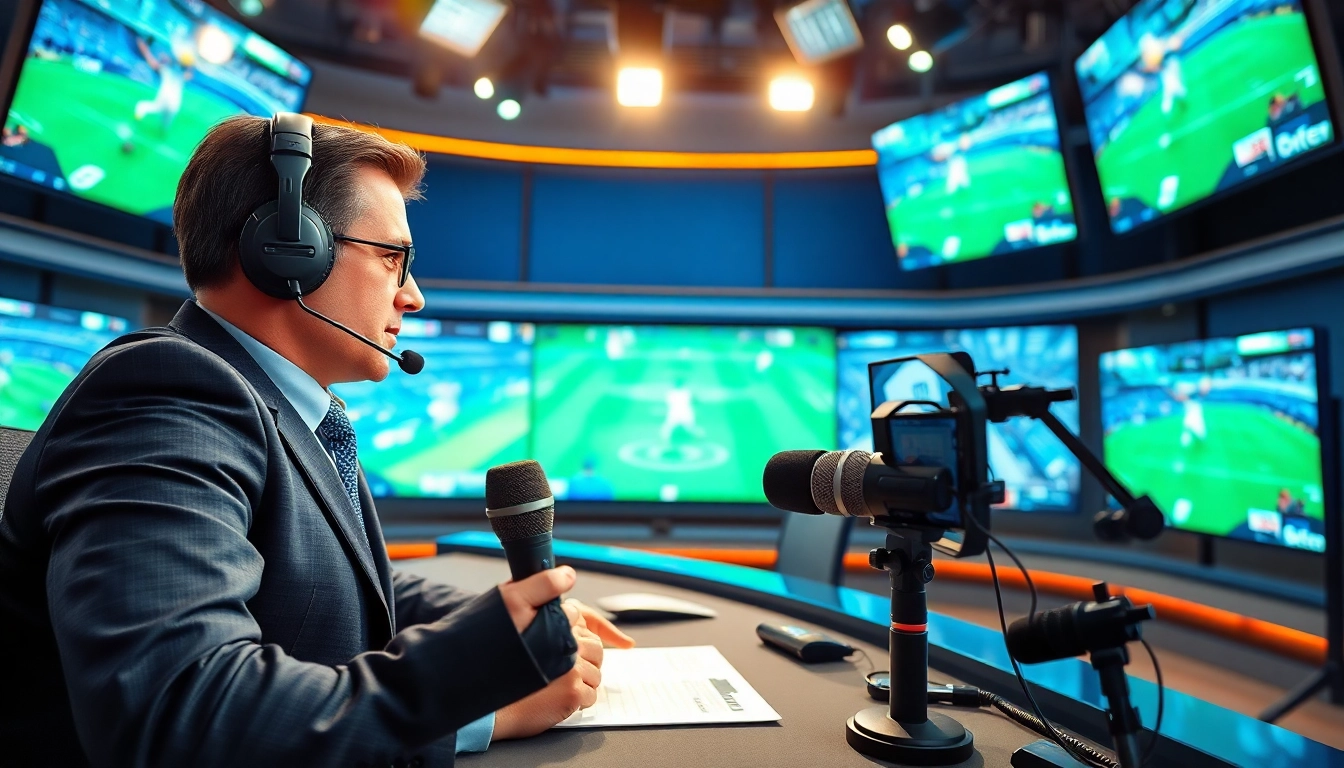
Understanding the Basics of Sports Broadcasting
Defining Sports Broadcasting
Sports broadcasting is the process of transmitting live and recorded sports events to an audience via television, radio, or online platforms. It encompasses a range of activities that bring the excitement of sports directly to fans. The primary goal is to inform, entertain, and engage viewers, providing them with real-time updates, expert commentary, and various interactive elements. In this digital age, where viewer preferences are rapidly changing, mastering the nuances of Sports Broadcasting has become more critical than ever.
The Role of Broadcasters in Sports
Broadcasters serve as the voice of sports events, articulating the nuances, strategies, and emotions that make sports compelling. Their responsibilities include play-by-play commentary, analysis, pre- and post-game discussions, and interviews with players and coaches. They bridge the gap between the game and the audience, ensuring that fans feel connected to the action. Broadcasters must possess an in-depth understanding of the sport they cover, along with exceptional communication skills to convey complex narratives simply and engagingly.
Types of Sports Broadcasts
There are several types of sports broadcasts, each catering to different audiences and platforms:
- Live Broadcasts: These include real-time coverage of games and events, where every minute detail is covered.
- Commentary and Analysis: Post-game or pre-game shows provide expert insights and recaps, enriching the viewer’s experience.
- Highlight Shows: These programs capture and showcase the most exciting moments from various sports events, appealing to broader audiences who might not watch every game.
- Documentaries: In-depth explorations of specific players, teams, or historical moments in sports, combining storytelling with visual engagement.
Key Skills for Sports Broadcasting
Communication Skills and Techniques
Effective communication is at the heart of sports broadcasting. Broadcasters must articulate their thoughts clearly and concisely, particularly during live events. They utilize various techniques such as inflection, pacing, and tone adjustment to enhance the storytelling aspect of their broadcasts. In addition, they should practice active listening skills during interviews and discussions to create dynamic exchanges that highlight different perspectives within the sports community.
Technical Proficiency in Broadcasting Tools
Broadcasters need to be adept with a range of technical tools and equipment, including cameras, microphones, editing software, and broadcasting platforms. Familiarity with emerging technologies, such as graphics software for instant replays and statistical overlays, can significantly elevate the quality of broadcasts. Understanding the technical aspects allows broadcasters to adapt quickly to challenges during live events, ensuring a smooth and professional presentation.
Research and Analysis in Sports
Thorough research is crucial for delivering insightful commentary. Broadcasters should stay updated on player statistics, team performance, historical context, and injury reports. A deep understanding of these elements can lead to more meaningful discussions and predictions during broadcasts. Analytical skills help broadcasters interpret complex data and trends, making their commentary more relevant and engaging for the audience.
Current Trends in Sports Broadcasting
Impact of Technology on Broadcasting
Technology has revolutionized sports broadcasting in numerous ways. Innovations such as 4K and 8K resolution provide ultra-high-definition visuals, enhancing the viewing experience. Additionally, augmented reality (AR) and virtual reality (VR) offer immersive experiences for viewers, allowing them to feel as though they are part of the action. Broadcasters are increasingly leveraging these technologies to attract younger audiences who demand richer and more interactive content.
The Rise of Streaming Platforms
The proliferation of streaming platforms has changed how sports are consumed. Fans now have the flexibility to watch games on their devices anywhere and anytime. Major sports leagues are investing in their streaming services to provide exclusive content, such as behind-the-scenes footage and personalized viewing experiences. As a result, traditional broadcasters are adapting their strategies to incorporate digital streaming while attracting new viewership.
Audience Engagement Strategies
Engaging audiences has become essential for sports broadcasters. Social media platforms are increasingly utilized to foster interaction between fans and broadcasters, allowing for real-time feedback and discussions. Broadcasters are embracing the use of polls, Q&A sessions, and interactive graphics to keep viewers engaged during live broadcasts. Enhancing experience through various platforms is vital for retaining the audience’s attention and loyalty.
Creating Compelling Content for Sports Broadcasting
Storytelling Techniques for Sports
Storytelling is integral to sports broadcasting. Effective broadcasts weave narratives that include statistics, personal anecdotes, and historical context to create an engaging viewing experience. Broadcasters should identify key themes, such as triumph, rivalry, and perseverance, and craft narratives around those themes to captivate viewers. A compelling story can resonate with fans, drawing them deeper into the sport and enhancing their emotional connection.
Building a Unique Broadcasting Style
Every successful broadcaster develops a unique style that reflects their personality and approach to sports. This individuality can set them apart in a competitive landscape. Experimenting with different delivery methods, tones, and formats can help broadcasters find their signature style. Consistency is vital; a recognizable style helps build a loyal audience who appreciates their distinctive voice and perspective.
Leveraging Social Media for Content
Social media is a powerful tool for sports broadcasters to enhance their presence and engagement. Platforms like Twitter, Instagram, and TikTok can be used to share highlights, behind-the-scenes clips, and updates, fostering a community of fans. Broadcasters can leverage these platforms for audience interaction, conducting polls or asking for viewer opinions on matches and players. Integrating social media into broadcasting strategies can enhance overall engagement and reach a wider audience.
Measuring Success in Sports Broadcasting
Key Performance Metrics
To evaluate the success of sports broadcasts, key performance metrics should be monitored, including viewership ratings, engagement rates, and audience demographics. High ratings indicate the popularity of a program, while engagement rates can reflect how involved viewers are with the content. By analyzing these metrics, broadcasters can make informed decisions about future programming and content strategies.
Feedback and Improvement
Feedback from viewers is crucial for continuous improvement in sports broadcasting. Survey forms, social media comments, and direct audience interactions can provide valuable insights into viewer preferences and perceptions. Broadcasters should embrace constructive criticism and use it to refine their approach, ultimately enhancing the viewing experience. Regular feedback loops ensure that broadcasters can adapt and respond to changing audience expectations.
Case Studies of Successful Broadcasts
Analyzing successful broadcasts provides valuable lessons in what works in sports media. Examining aspects such as pacing, audience engagement strategies, and the effective use of technology can yield insights that can be applied to future broadcasts. Highlighting case studies can inspire innovation and creativity among broadcasters, encouraging them to create engaging and memorable experiences for viewers.
FAQs
What are the primary roles in sports broadcasting?
Sports broadcasting involves roles like announcers, analysts, producers, and camera operators, each contributing to a seamless broadcast experience.
How has technology influenced sports broadcasting?
Technology introduced live streaming, high-definition graphics, and interactive viewers’ options, making broadcasts more engaging.
What skills are essential for effective sports broadcasters?
Effective sports broadcasters need strong communication, analytical skills, and technical proficiency in broadcasting equipment.
How can broadcasters engage their audience?
Broadcasters can engage audiences through compelling storytelling, social media interaction, and personalized content that resonates with viewers.
What metrics measure success in sports broadcasting?
Success can be measured by viewership ratings, audience engagement, feedback from viewers, and overall impact on the sports community.